“Today, social media numbers count for more than musical skills.” That is one of the most striking takeaways from the latest International Music Summit (IMS) in Ibiza. Unveiled at the end of April by the Pete Tong DJ Academy, this survey of 15,000 emerging DJs and producers reveals an uncomfortable reality: 61…
That is one of the most striking takeaways from the latest International Music Summit (IMS) in Ibiza. Unveiled at the end of April by the Pete Tong DJ Academy, this survey of 15,000 emerging DJs and producers reveals an uncomfortable reality: 61% of the young artists questioned believe that online visibility now matters more than pure talent.
Beyond its immediate impact, this figure says a lot about a deep paradigm shift in contemporary electronic music culture. It is no longer just about music. It is about image, storytelling and a permanent social performance.
DJing has never been just about technique
It would be naive to think the nightlife world was ever a sanctuary sheltered from appearances. The superstar DJ was born long before TikTok: from Larry Levan to Carl Cox, by way of David Guetta or Nina Kraviz, the ability to bring people together, to embody a vision and to win people over has always counted. But what is changing today is the acceleration and standardisation of these codes.
In an era saturated with images, the DJ has to exist all the time. Stories, reels, live sessions, self-promotion… Every post becomes a micro-performance, every upload a test for the ego. “If it flops, I feel like a failure”, says a 24-year-old French DJ in the study. A sentence that sums up the now intimate link between making music and algorithmic validation.
An industry seen as “closed” by young artists
Even more worrying: 62% of respondents describe the electronic music industry as a “closed club”. The democratic dream of the digital age (breaking down barriers to entry, letting everyone exist) seems to have given way to a form of algorithmic elitism. One no longer based on traditional networks (clubs, labels, radio), but on the ability to appeal quickly, massively and visually.
The result: almost a third of respondents admit they have considered giving up music in the past year, while more than half say they have suffered from anxiety or burnout. In a world where image is everywhere, invisibility becomes a form of violence.
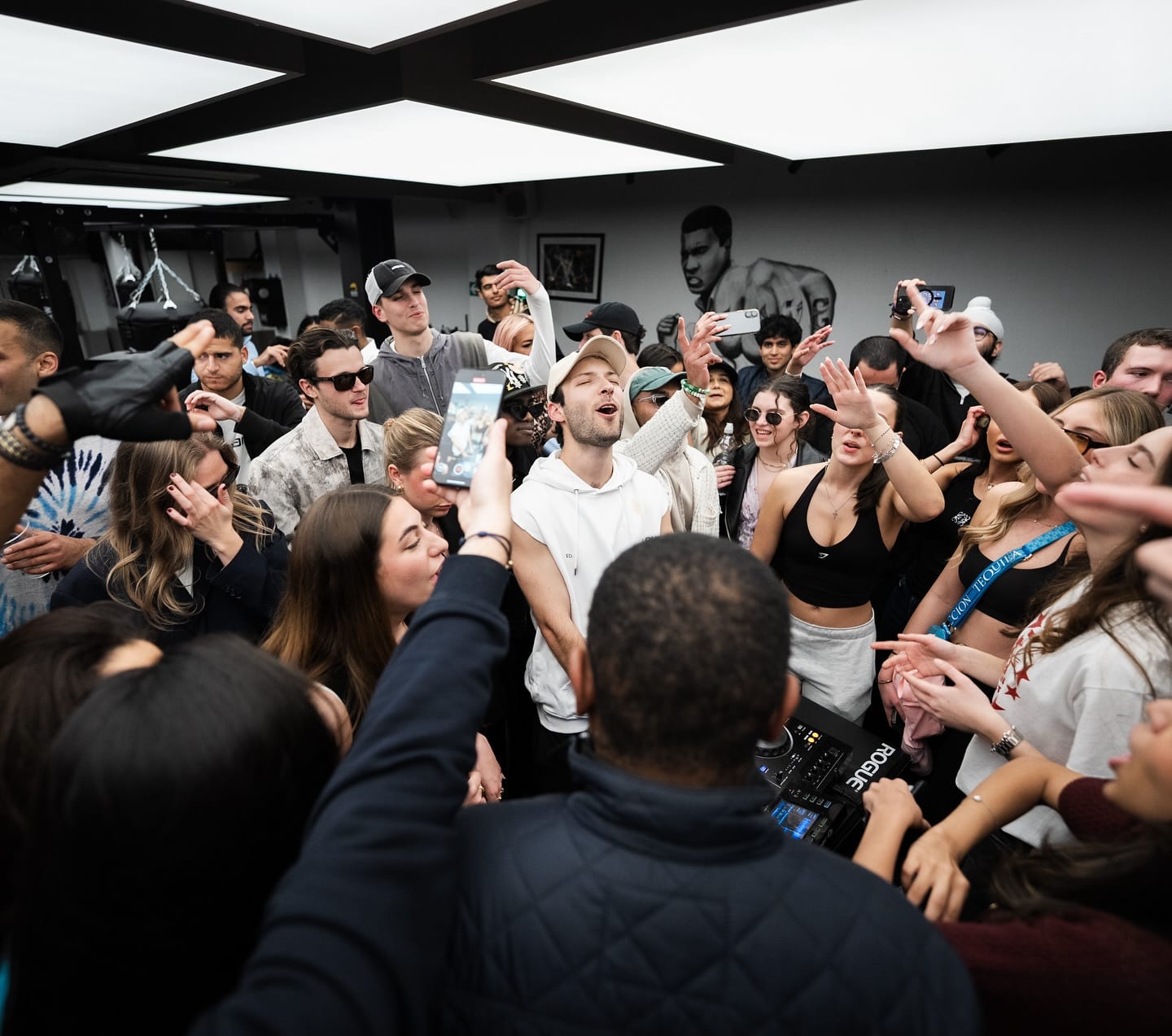
From the stage to the screen: a new grammar of success
This shift is not unique to electronic music, but it resonates in a particular way here. The DJ is by definition a go-between: between the crowd and the music, between the floor and the sound. He or she was never at the centre, until recently.
Today, social platforms ask DJs to refocus on themselves, to tell their life story, to turn their performances into content. The studio becomes a set, the club becomes a shop window, the music becomes background noise. Personal branding often comes before the sonic narrative.
And yet it would be too easy to blame these young artists. They are responding to an economic reality. Programmers, bookers, brands, media… all of them now look at the numbers before listening to the sets. A well-kept Instagram profile is sometimes more decisive than an original track.
Towards a new ecology of success?
So should we give in to cynicism and accept that social media has won? Not necessarily. Several voices in the scene point out that digital remains a tool, and that it is up to artists to use it with clear eyes.
Artists such as TSHA and Rebekah have recently spoken out about the mental load caused by this constant overexposure. Others, such as NTO or The Blaze, choose scarcity, minimalism and distance from the social game. And it works, because they cultivate a kind of artistic coherence that goes beyond the instant.
Above all, what the IMS study reveals is the urgent need to rethink the model of success in electronic music. To create spaces for breathing, disconnecting and learning. To give value back to listening, to slowness, to experimentation. And to remember that what truly moves us is not a slickly edited story, but a track that catches us by surprise at 4am.
Conclusion: finding the balance without giving up substance
Social media is here to stay. And it would be naive to want to go back to an idealised era when vinyl was the only thing that counted. But in this new ecosystem, the danger is believing that music is no longer enough.
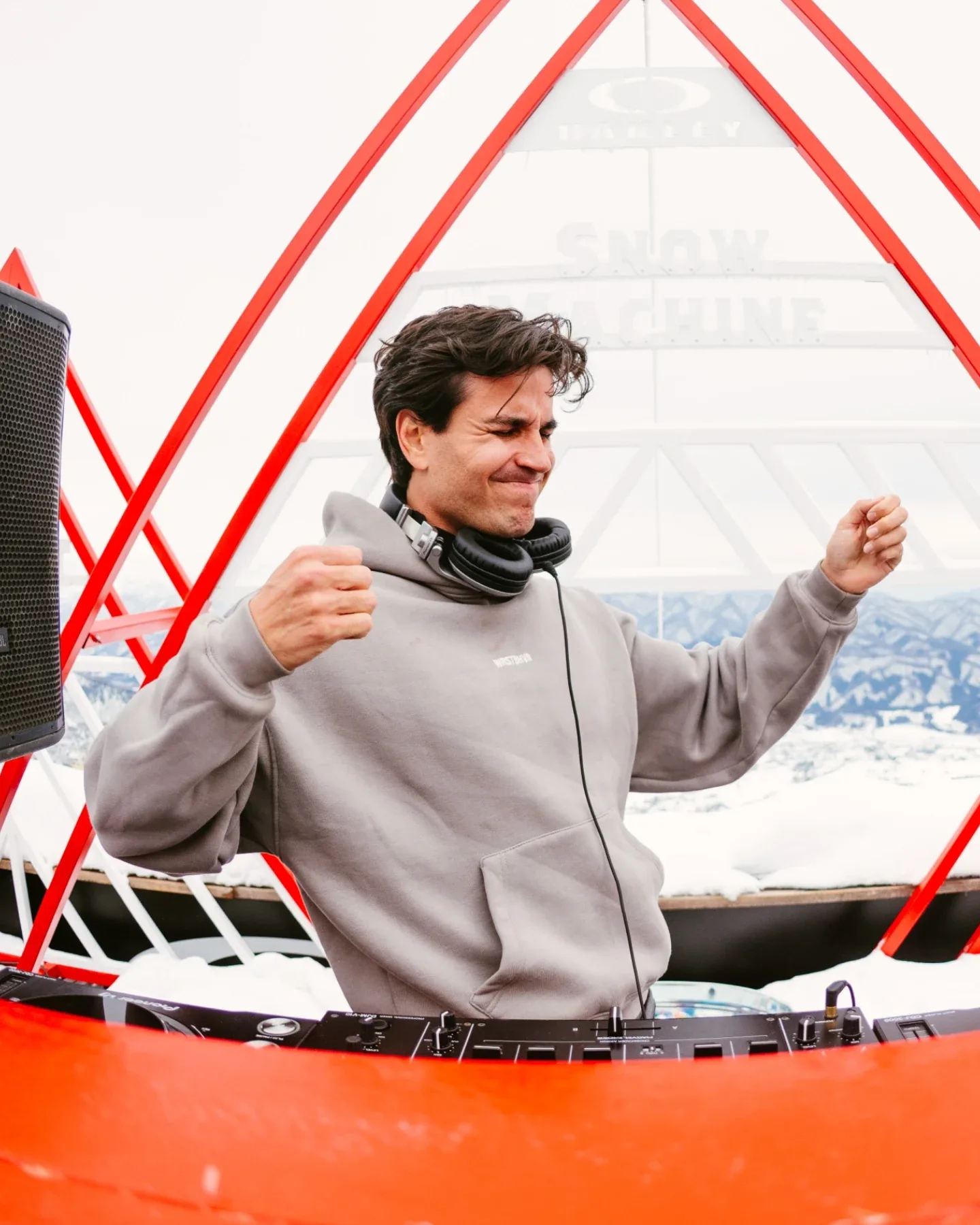
Photo by @patstevenson