In a world where TikTok and Instagram are rewriting the rules of the game, the line between artist and content creator is dangerously blurring. Today, mastering the art of music is no longer enough; you have to know how to captivate a digital audience hungry for visual storytelling. So, is this a necessary turning point or a compromise that betrays…
An inevitable transformation
For decades, musical success was measured in album sales, radio plays and packed-out gigs. But the game has changed: now, a single TikTok can make or break a career. The stage has moved online, and artists must adapt or risk sinking into oblivion. It’s no secret any more: visibility on social media has become as crucial as the quality of a music production.
For some, this new reality is an opportunity to reinvent themselves. Creating engaging visual content and sharing raw moments or studio anecdotes is also a way to widen the impact of their art. But for others, this shift feels like a sacrifice, an obligation to bow to the dictates of algorithms.
The rise of social media
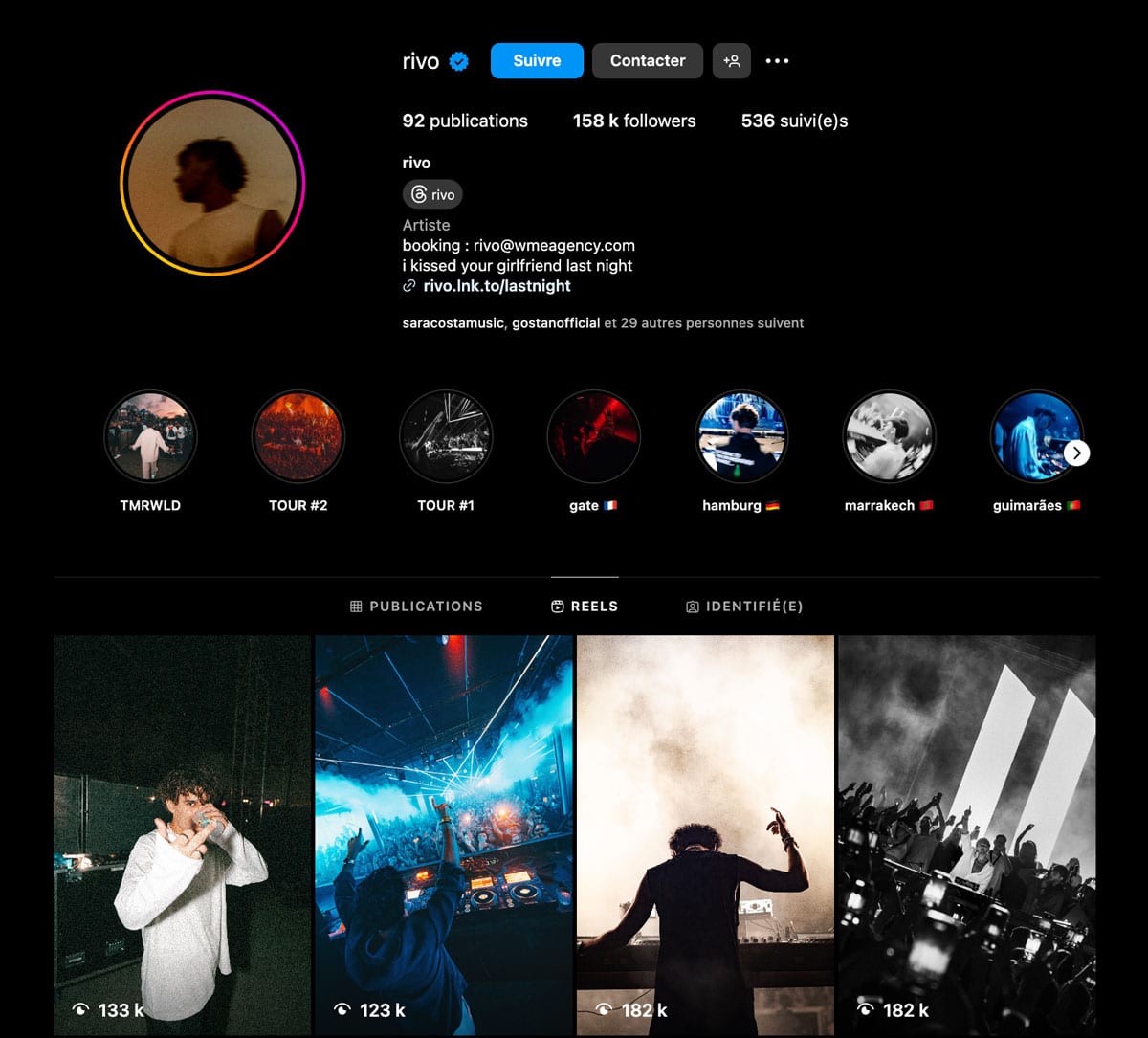
TikTok and Instagram have become much more than simple social platforms: they are catalysts for fame. They give artists the chance to reach a global audience in a matter of seconds. But to do so, you have to understand the language of these platforms, made up of trends, challenges and ultra-fast content. What wins people over most isn’t polished performances, but moments captured in their purest authenticity.
Paradoxically, this quest for authenticity pushes artists to reveal more of themselves. The barriers are gone: the public wants to feel, see and take part in the reality of an artist’s life, with its imperfections and its moments of grace.
A question of authenticity
However, in this whirlwind of instant content, there is a danger lurking: losing your artistic identity. Can you stay authentic while meeting the demands of algorithms? This is where the subtlety lies. The magic happens when an artist manages to stay sincere while mastering the art of going viral. The content that works best is the kind that is true, raw and human, with music-making still at the heart of the story.
A balancing act
Social media algorithms make no distinction of status: what they favour is consistency, engagement and creativity. This democratisation of access is both a blessing and a curse. On the one hand, anyone can break through, from the bedroom musician to the superstar. On the other, this race for attention brings constant pressure to produce more and more.
The artists who succeed are the ones who have understood the art of balance. They know when to adapt to trends and when to step away from them to stay true to their vision. It is a tightrope act that demands as much strategic insight as artistic creativity.
Towards a new era of the artist 2.0
Today, writing and singing are no longer enough. Knowing how to handle a camera, write punchy captions and run an online community have become essential skills. While some see this as an erosion of artistic essence, others see it as an exciting evolution that broadens the spectrum of creativity. After all, telling a story no longer happens only through music, but also through images and interactions.
Ultimately, the modern artist is becoming a hybrid entity, where music and content live side by side. For 2025, the challenge won’t be choosing between the two, but knowing how to combine them to elevate the artistic experience. The future belongs to those who master this complex art without ever sacrificing their musical soul.