A page is turning, or rather being officially written into history. On 17 December, French electronic music was added to the National Inventory of Intangible Cultural Heritage, marking a major institutional recognition for a culture long marginalised, sometimes demonised, but always alive. For more than thirty years, artists, collectives, labels, clubs,…
For more than thirty years, artists, collectives, labels, clubs, promoters and media have worked to get electronic music recognised as much more than just a musical trend. A culture in its own right, deeply rooted in local communities, driven by committed people, and shaped by strong social, political and artistic issues.
Launched in 2008, the National ICH Inventory aims to shine a light on living, inclusive and cross-cutting cultural practices that genuinely drive social cohesion. On that score, electronic music ticks every box. It is not defined solely by a sonic aesthetic, but by a collective heritage, places, rituals, values and a constant ability to reinvent itself.

Present for this official recognition at the Ministry of Culture, Technopol, a long-standing champion of the defence and promotion of electronic music in France, carried this application with determination. Its president, Tommy Vaudecrane, made no secret of the emotion stirred by this symbolic milestone: after years of struggle, sometimes under tear gas, French electronic music has finally found its place in the national cultural heritage.
Culture Minister Rachida Dati praised a scene that “fully belongs in our intangible heritage”, underlining the artistic and cultural importance of a movement that has left a deep mark on France and shone far beyond its borders.
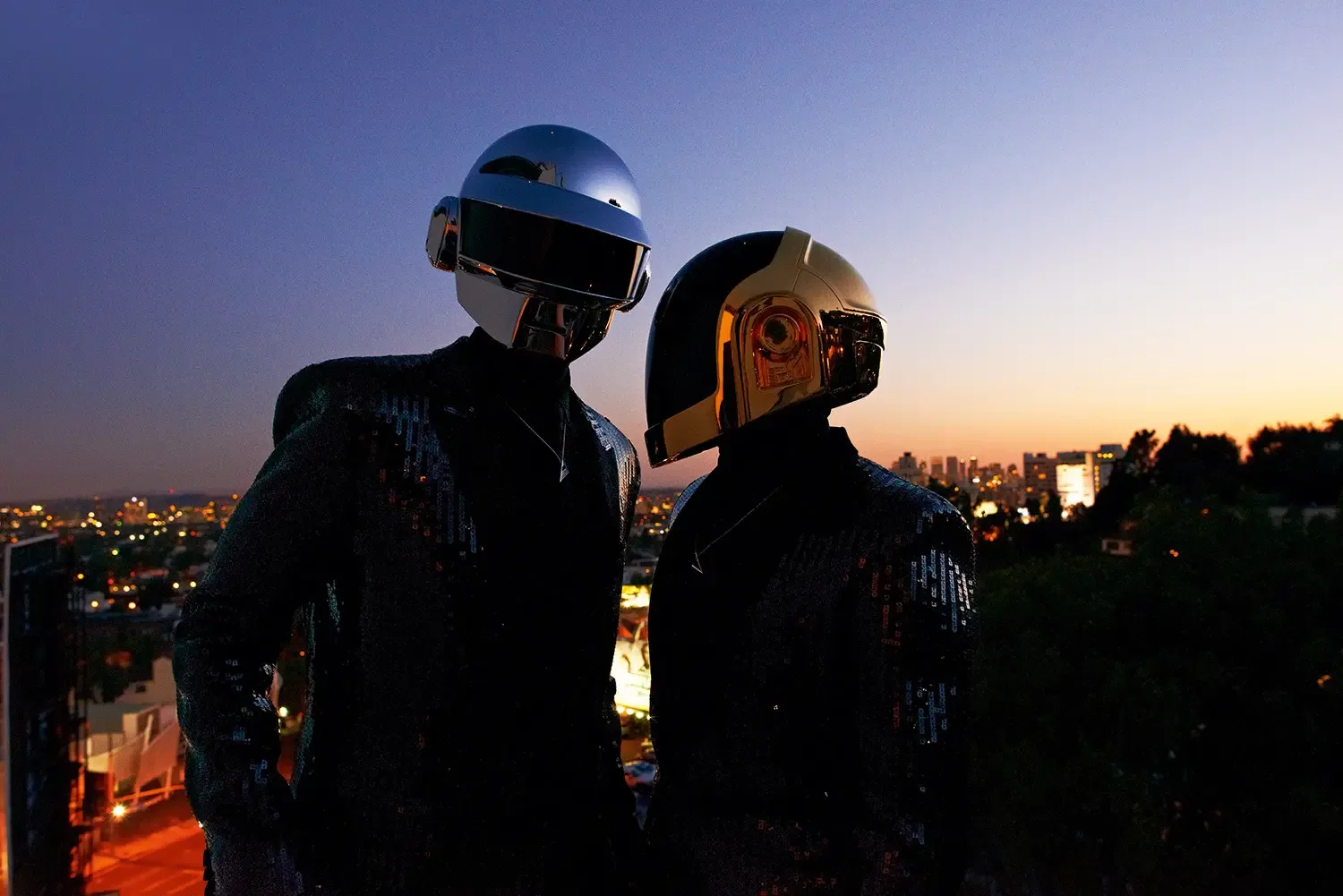
From the French Touch to its many contemporary offshoots, French electronic music has shaped a sonic identity recognised all over the world. Iconic figures such as Daft Punk, Laurent Garnier, AIR, Justice and Étienne de Crécy embody this unique ability to combine technological innovation, artistic ambition and club culture.
This recognition also follows on from the Club Culture label, launched in 2024 to highlight venues that actively support electronic creation and DJs. It echoes the stance of President Emmanuel Macron, who had come out in favour of a future bid for the French Touch to join UNESCO’s intangible cultural heritage list.
The entry of French electronic music into the Intangible Cultural Heritage inventory is not an end in itself, but a decisive step. That of a culture which, after long evolving in the shadows, is now recognised for what it is: a living pillar of France’s cultural landscape.
A long-awaited recognition. A deserved one. And above all, a collective one.