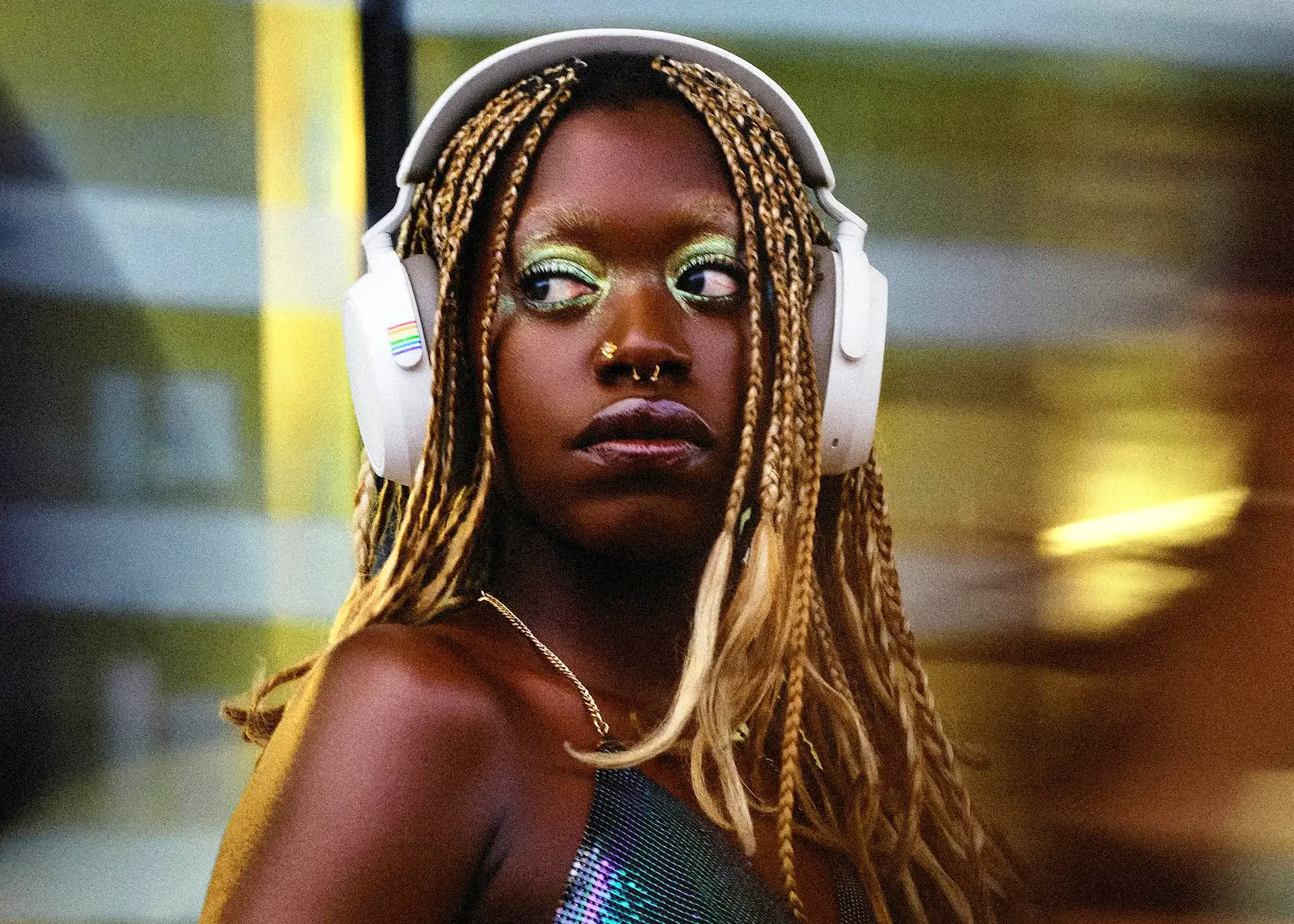
In a world saturated with sound, the promise is almost magical: press a button and watch the racket fade away. Active noise cancelling (ANC) headphones have become a fixture everywhere: in open-plan offices, on planes, in packed cafés… They create a bubble where you find a little air, a little…
A sonic revolution in the service of well-being
If ANC is so appealing, it is because it answers a collective fatigue: that of constant noise. Engines, the hum of transport, conversations that spill over… all of it fades away or softens. We instinctively turn our music down, we feel less drained, more focused. Many users say they sleep better on planes, work more calmly at the office, and even manage to relax on a packed underground train. And some researchers suggest that limiting the noise pollution around us could have concrete effects: less stress, less physical tension, better recovery. In short, ANC has become a modern comfort tool, almost a healthy reflex.
The grey areas: when silence weighs too heavy
But it is not all that simple. The first snag is that odd feeling of pressure in the ears, like during take-off. Not dangerous, but unpleasant enough to put some people off. More worrying, shutting out the outside world also means shutting out useful signals: an approaching car, an alarm, someone calling your name. Specialists are also concerned about a subtler phenomenon: by living in a filtered sound bubble, our brain could lose some of its ability to deal with acoustic chaos. Some even talk of a risk of auditory processing disorder (APD). And then there is the psychological side. For some, ANC becomes an almost essential habit: impossible to concentrate, travel or even walk around town without headphones. Natural silence ends up becoming a source of anxiety.
Finding the balance
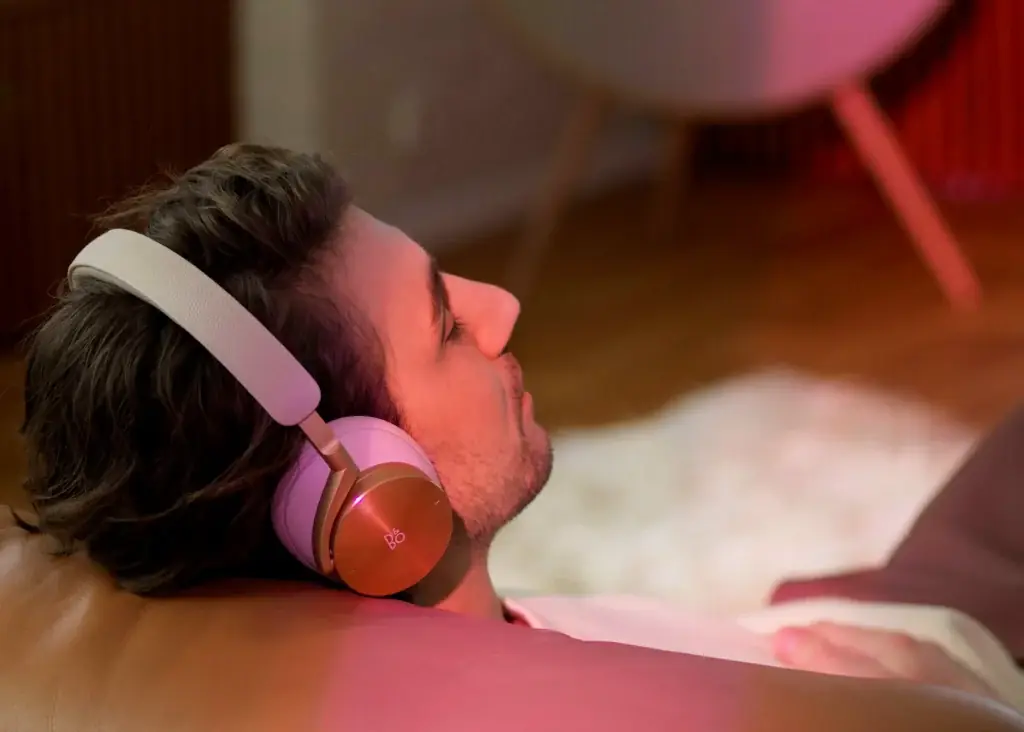
As is often the case, the answer lies in moderation. Experts advise using ANC a few hours a day, at a moderate volume, and keeping some unfiltered time. Transparency mode, increasingly common, helps you stay connected to the real world. And let’s not forget: ANC headphones are not a shield. They protect against background noise, but not against a jackhammer or a concert. For that, there are other kinds of protection.
When technology redefines our relationship with music
Beyond health, ANC is also transforming the way we listen. Music sounds purer, rid of interference. But by removing the unexpected from real life, it may also lose a bit of its life, that imperfect friction that sometimes gives it its flavour. The real question is not so much whether noise cancelling is good or bad, but how it shapes our everyday sound environment. Are we still able to listen to silence… without any tricks?
Our pick of the best noise cancelling headphones
If you are looking to take the plunge, here are three models that combine demanding audio, comfort and elegance, headphones you will find with creatives and frequent travellers alike:
Sennheiser Momentum 4 Wireless buy
Rich sound, up to 60 hours of battery life and very effective ANC: perfect for working or travelling without interruption.
Bowers & Wilkins PX7 S3 buy
Refined design, lasting comfort and high-end noise cancelling. A model designed as much for attentive listening as for everyday use.
Bang & Olufsen Beoplay HX buy
A blend of Scandinavian style and comfort, with around 35 hours of battery life and convincing ANC. For the most demanding listeners, the Beoplay H95 remains the absolute benchmark: premium finishes, 42 hours of battery life and an immersion that flirts with luxury.
Conclusion
Noise cancelling headphones are a technological feat, and their positive impact is undeniable. But like any powerful tool, they call for a certain awareness in how we use them. Luxury is not only in the artificial silence of a pair of headphones, but in the freedom to choose: when to listen, when to switch off, and when to reconnect with the real world.