

As artificial intelligence creeps ever further into creative work, the American giant pulls out a new tool that can generate tracks from A to Z in the blink of an eye. A dizzying technological feat that raises an existential question: will the future of our electronic music really be played out behind a screen full of code? …
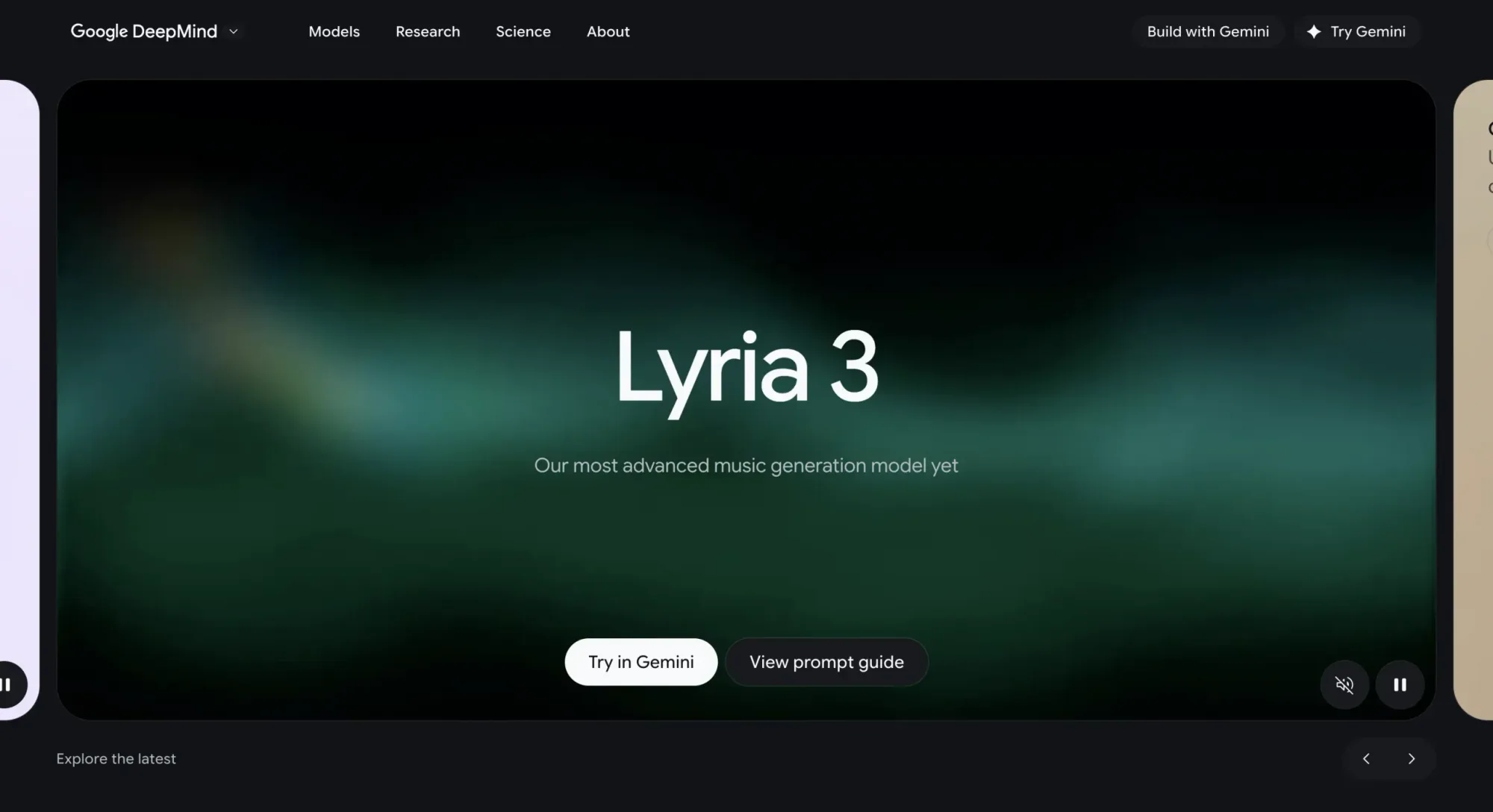
The tech industry is hell-bent on Uberising creativity. Google has just unveiled Lyria 3, its latest algorithmic toy. On paper, the promise is to short-circuit the creative process: a multimodal AI that can churn out a 30-second clip from a text, an image or a video.
In practice, the machine acts as a ghost producer. Built straight into Gemini, the tool offers full control over BPM, genre and mood. It writes the lyrics itself and generates vocals that are unsettlingly realistic. Throw it a photo of your last open air, and the algorithm instantly spits back a soundtrack that is supposed to capture its vibe.
The tool even boasts of “pro” arrangements. Proper fast-food production. But let’s be clear: at what point is binary code going to replace the sweat of a studio session at 4 in the morning? The beautiful flaws of a voice that has lived what it sings? The magic of a patching mistake on a modular that gives birth to a classic?
Lyria 3 manufactures content, not art. Groove can’t be calculated in terabytes. Making a radio track in three clicks means draining music of its substance, its imperfection and its social context.
The one reassuring concession: Google enforces “SynthID”, a digital watermark that the ear can’t detect but that marks these tracks for life. An essential label so diggers can tell disposable plastic from craftsmanship.
Club culture is viscerally human. AI will entertain content creators short of a jingle, but the soul of the scene will always belong to those who bleed for it behind the machines.